
Introduction to Slot Games
Online slots are now one of the most popular forms of casino entertainment worldwide. With colorful graphics, exciting themes, and the potential for big wins, slot games attract millions of players every day, including those who play at Asian‑focused brands like 18ClubSG. Unlike traditional table games that demand strategy and experience, slot machines are easy to understand and highly accessible for beginners.
However, even though slots look simple, there is much more happening behind the scenes than just pressing the spin button. Understanding how slot games work, the different types available, and how to play responsibly can help you enjoy the experience while avoiding common mistakes and unrealistic expectations.
This guide explains everything Singapore players need to know about slot games: how they work, the main variations you will see at online casinos, and practical tips that can help both new and experienced players make smarter decisions before choosing a site or game.
What Is a Slots Game?
A slots game is a casino game where players spin reels filled with symbols in hopes of landing winning combinations. When certain symbols line up on designated paylines or in specific patterns, the player receives a payout based on the game’s paytable.
Slot machines were originally mechanical devices found in land‑based casinos, often with three reels and a small number of symbols. Today, online slots use digital technology that allows developers to create complex games with animations, sound effects, and advanced bonus features, all of which we break down in our dedicated Online Slots Guide for Singapore Players.
Despite all the modern visuals and features, the basic concept is still the same: you place a bet, spin the reels, and wait to see whether the symbols land in a winning combination.
The History of Slot Machines
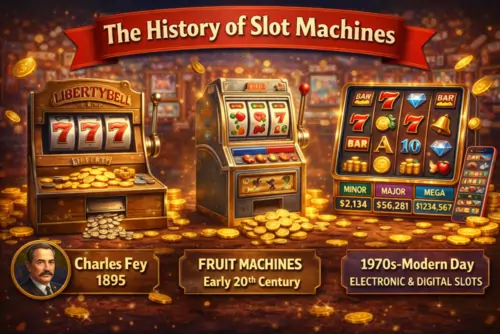
Slot machines have a long history dating back to the late 19th century.
The first widely recognised slot machine was invented by Charles Fey in 1895. His Liberty Bell machine featured three reels and five symbols: horseshoes, diamonds, spades, hearts, and the Liberty Bell itself. Landing three Liberty Bells in a row awarded the highest prize.
As slot machines spread in popularity, manufacturers began adding new symbols and features. In the early 20th century, fruit symbols like cherries, lemons, and oranges became common, which is why many classic slots are still called “fruit machines.”
In the 1970s and 1980s, technology shifted from purely mechanical systems to electronic machines. This change allowed casinos to offer more complex games, multiple paylines, and larger jackpots.
Today, online casinos host thousands of digital slot games from leading studios around the world, each with its own theme, mechanics, and bonus features—but all built on the same core ideas established more than a century ago.
How Slot Machines Work
Modern slot machines operate using a technology called a Random Number Generator (RNG). This software continuously generates random sequences of numbers, even when no one is playing.
When a player presses the spin button (or taps it on mobile), the RNG selects a specific number at that exact moment. That number corresponds to a particular arrangement of symbols on the reels. The game then displays that arrangement and calculates any wins based on the paytable.
Because of this system:
- Every spin is independent of previous spins.
- Past results do not influence future outcomes.
- Outcomes cannot be predicted, timed, or “due” after a losing streak.
Regulated online casinos rely on certified RNGs and regular audits, and regulators such as the UK Gambling Commission explain how to calculate and monitor RTP in real‑money play. This randomness is what makes slot games fair when they are run on licensed, properly tested software.
Important Slot Game Components
To really understand how slots work, it helps to know the basic building blocks of a typical game; we also use these components as part of our slot review framework on 18ClubSG Blog.
Reels
Reels are the vertical columns that spin when you start a round. Traditional land‑based slots usually have three reels, while most modern online slots feature five. Some advanced games may use six or more reels, or even unusual reel layouts.
Symbols
Symbols are the images that appear on the reels. They vary depending on the theme of the slot game. Common symbol types include:
- Standard symbols (low‑ and high‑value icons)
- Wild symbols (which substitute for other symbols to complete wins)
- Scatter symbols (which often trigger free spins or bonus rounds)
- Bonus symbols (used to launch special features or mini‑games)
Each symbol carries a different payout value, which is always listed in the game’s paytable.
Paylines
A payline is a predefined line or pattern on which symbols must land to form a winning combination.
Older slot machines often had just one horizontal payline. Modern video slots can have 10, 25, 50, or even hundreds of paylines. Some games replace traditional paylines with “ways‑to‑win” systems or cluster‑pays, which we explain in more detail in our Slots Features and Mechanics Guide.
Paytable
The paytable is the information panel that shows:
- The value of each symbol combination
- How special symbols (wilds, scatters, bonus symbols) work
- Details of bonus rounds and special features
Checking the paytable before you play gives you a clear idea of what to expect from a game and which features matter most—something we always emphasise in our 18ClubSG slot reviews.
Bonus Features
Bonus features are special mechanics designed to make gameplay more exciting and varied. Examples include:
- Free spins rounds
- Win multipliers
- Pick‑and‑win or mini bonus games
- Expanding, sticky, or walking wilds
- Cascading or tumbling reels that create consecutive wins
These features are what make many modern online slots feel more dynamic than traditional one‑line machines and can significantly change how a game plays and pays.
Types of Slot Games
Online casinos offer many different types of slots, each with unique mechanics and appeal; our groups them in a similar way to help you compare options.
Classic Slots
Classic slots are inspired by traditional machines found in older casinos. They usually feature:
- Three reels
- A small number of paylines
- Simple gameplay and straightforward features
- Classic symbols like fruits, bars, bells, and sevens
These slots are ideal for players who prefer a simple, nostalgic experience without complex bonus rounds.
Video Slots
Video slots are the most common type of slot game today. They typically include:
- Five or more reels
- Multiple paylines or ways‑to‑win
- High‑quality graphics and animations
- Themed soundtracks and storylines
- Interactive bonus features and free spins
Many beginner slot resources use video slots as their base example because they show how modern themes, features, and symbols come together in one package.
Progressive Jackpot Slots
Progressive jackpot slots offer the chance to win very large prizes.
In these games, a small percentage of each bet contributes to a shared jackpot pool. The jackpot keeps growing until one lucky player hits the specific winning combination or bonus round that awards it.
Progressive jackpots can reach thousands or even millions in prize value, which makes them extremely appealing—but they are also much rarer to hit than standard wins.
Megaways Slots
Megaways slots use a special reel engine where the number of symbols on each reel changes on every spin.
Because each reel can show a different number of symbols, the game can generate thousands—or sometimes over 100,000—ways to win on a single spin, making Megaways titles some of the most volatile and fast‑paced games available.
Cluster Pay Slots
Cluster pay slots do not use traditional paylines. Instead, you win when clusters (groups) of matching symbols land connected horizontally or vertically.
Often, winning clusters disappear and new symbols fall into place (a “cascade”), allowing multiple wins from a single spin and creating exciting chain reactions; this mechanic is commonly highlighted in modern slot mechanic explainers.
Slot Game RTP and Volatility
Two important concepts that shape your experience with any slot are RTP and volatility; most advanced slot guides treat these as core knowledge for serious players.
RTP (Return to Player)
RTP, or Return to Player, is the theoretical percentage of all money wagered on a slot that is paid back to players over a very long period of time.
For example, a slot with 96% RTP is designed—over hundreds of thousands or millions of spins—to return about 96 units for every 100 units wagered. This does not mean that you personally will get 96 back from every 100 you bet; individual sessions can be much higher or lower, something regulators like the UK Gambling Commission stress when explaining how to calculate return to player (RTP).
Industry resources often treat around 96% as a common “benchmark” RTP, with some games going above that and some falling below, especially when large jackpots are involved.
Volatility
Volatility (or variance) describes the risk profile of a slot game: how often it pays out, and how big those wins tend to be.
- Low volatility slots – frequent small wins and smoother bankroll swings.
- Medium volatility slots – a balance of smaller and occasional bigger wins.
- High volatility slots – less frequent wins but the potential for much larger payouts.
Educational articles on volatility and RTP commonly recommend that players choose a combination that matches their budget and risk tolerance—advice we echo in our bankroll tips within the Slots Guide Singapore.
How to Play Slot Games
Playing slot games is straightforward, even for complete beginners, which is why slots are often at the top of “how to play casino games” guides.
Typical steps:
- Choose a slot game from the online casino lobby.
- Review the paytable and rules so you know how the features work.
- Select your bet amount (and paylines, if the game allows you to adjust them).
- Press the spin button (or use auto‑play if you are comfortable with it).
- Wait for the reels to stop and see whether you have any winning combinations.
Most slots also let you adjust sound, speed, and other settings so you can tailor the experience to your preferences.
Tips for Playing Slots Smartly
Slots are games of chance, but good habits can help you enjoy them more and avoid common pitfalls. Many responsible slot guides emphasise the same core principles outlined below.
- Set a clear budget and treat it as entertainment money.
- Read the paytable and understand the features before you start.
- Try demo versions first to understand volatility and bonus features.
- Avoid chasing losses, which responsible gambling resources identify as a key risk sign.
- Choose reputable, licensed casinos that use certified RNGs and publish RTP details.
Popular Slot Game Themes
Modern slot games cover an enormous range of themes, which keeps gameplay fresh and allows players to choose titles that match their interests.
Common themes include adventure, mythology, fantasy, movie/TV tie‑ins, and classic fruit symbols; many slot review sites classify games by theme so players can quickly find the style they enjoy most.
Mobile Slot Gaming
With the rise of smartphones and tablets, many players now enjoy slots on mobile devices using browser‑based casinos or dedicated apps.
Mobile slot gaming offers convenience, touchscreen controls, optimised layouts, and fast loading times, and operators that target Singapore and the wider Asian region increasingly highlight mobile as their primary platform.
Responsible Gambling
Slot games can be fun and engaging, but it is essential to approach them with a responsible mindset.
Responsible gambling practices include: setting limits on time and money, avoiding gambling when stressed or upset, taking regular breaks, and accepting that outcomes are random. Many reputable casinos provide tools such as deposit limits, loss limits, reality checks, time‑outs, and self‑exclusion to help players stay in control, similar to the responsible gambling measures described by integrated resorts in Singapore.
If you ever feel that gambling is starting to affect your finances, mood, or relationships, consider using these tools and seeking help from professional support organisations or local helplines and national councils focused on problem gambling.
The Future of Slot Games
Slot games continue to evolve as technology moves forward. Developers are experimenting with virtual reality and augmented reality slots, skill‑influenced bonus rounds, interactive story‑driven games, and advanced jackpot systems, while industry discussions highlight how RNG, RTP, and responsible‑gambling safeguards must keep pace with innovation.
Final Thoughts
Slot games remain one of the most popular forms of casino entertainment because they combine simple gameplay with excitement, variety, and the chance of big wins. Whether you prefer classic three‑reel fruit machines or modern video slots with cinematic features, there is a game to match almost every style and budget.
By understanding how slot machines work, learning about RTP and volatility, and practicing responsible gambling, you can enjoy slots in a safer, more informed way. Choosing reliable, licensed casinos and playing with realistic expectations helps you focus on what really matters: the fun and entertainment that slot games can provide when they are enjoyed in moderation.
