
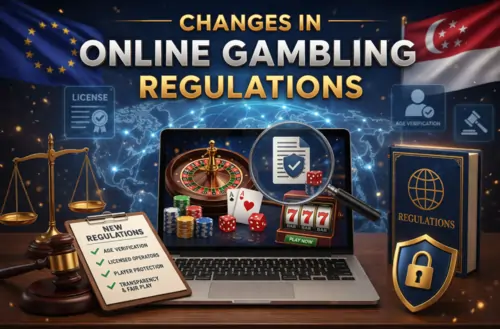
This article explains how online gambling regulations are changing and what that means for players. You’ll learn about new licensing rules, stricter KYC checks, bonus and advertising limits, game design restrictions and practical tips for staying safe and compliant when you play online.
Online gambling regulations doesn’t stay the same for long. Governments update laws, regulators tighten rules, and new requirements appear for casinos and game providers. When that happens, players feel the effects immediately: some sites block your country, bonuses shrink or change, extra verification steps pop up, and certain games disappear.
If you want to check how different countries currently regulate online gambling, it helps to look at a neutral industry overview.
Understanding the big regulatory trends can help you avoid nasty surprises and choose safer, more stable places to play. For a general background on how online casinos work and which game types are available, you can also link readers to your core guide.
More Countries Moving From “Grey Area” To Clear Rules

For years, many countries treated online gambling as a grey area: not clearly legal, not clearly illegal. That’s slowly changing.
- Some governments are introducing full licensing systems for online casinos and sportsbooks, with clear requirements for who can operate and under what conditions.
- Others are tightening restrictions, blocking unlicensed sites and enforcing payment or ISP blocks to push players toward regulated options only.
For players, this usually means fewer but more reliable choices: legal sites that meet local rules, and offshore sites that quietly withdraw from the market.
Stronger KYC And Player Verification
One of the most visible changes for players is tougher “Know Your Customer” (KYC) checks.
Regulators increasingly require operators to:
- Verify identity and age using ID, proof of address, and sometimes source‑of‑funds documents.
- Re‑check details when deposits or withdrawals reach certain thresholds.
- Freeze or limit accounts if verification is incomplete.
This can feel annoying, but it has important purposes:
- Keeping minors off real‑money platforms.
- Reducing fraud and stolen‑card abuse.
- Helping authorities track and prevent money laundering.
If your readers want help speeding up this process, this is a good place to point them to a step‑by‑step account setup guide.
Tighter Rules On Bonuses And Promotions
Another big area of change is how casinos advertise and structure bonuses.
Regulators are pushing for:
- Clearer terms and conditions, especially around wagering requirements, max win caps, and time limits.
- Restrictions on misleading “risk‑free” or “free bet” language when real money is at stake.
- Limits on aggressive re‑activation offers aimed at lapsed or high‑risk players.
For players, this usually means:
- Bonus offers might look less flashy, but their terms are more transparent.
- You get more realistic information about what you need to wager and what you can actually cash out.
- In some regions, the number or size of bonuses may drop, but the remaining offers tend to be better regulated.
You can naturally link this to your dedicated bonus guide so readers learn how to read T&Cs properly.
New Affordability And Loss‑Limit Checks
Some jurisdictions are experimenting with affordability checks and stricter responsible‑gambling rules.
These can include:
- Operators asking for income or bank statements when losses or deposits pass certain levels.
- Automated systems that flag unusual spending patterns and trigger interventions.
- Mandatory deposit, loss, or time limits, especially for younger players.
Players may see:
- Requests for extra documents or questions about their financial situation.
- Automatic cooldowns, reality checks, or nudges to lower limits.
- Hard caps on how much can be deposited or wagered over a given period.
While controversial, these measures aim to reduce serious gambling harm, especially for vulnerable players.
Game Design Restrictions: Slower Spins And Fewer “Dark Patterns”
Some regulators are going beyond the operator level and targeting game design itself.
Typical restrictions include:
- Minimum spin times for slots, to stop ultra‑fast auto‑play and rapid spins.
- Bans on features that simulate “near misses” or use misleading sounds/visuals for losing outcomes.
- Limits on bonus buy features or extremely high‑volatility modes in certain markets.
From a player’s perspective, games may feel:
- Slightly slower and less “spammy.”
- More honest about win/loss outcomes at a sensory level.
- Less dominated by extreme, high‑risk mechanics.
Not all regions apply these rules, but where they do, game providers often release modified versions of their titles specifically for that market.
Crackdowns On Unlicensed Operators
As more countries build legal frameworks, they often increase pressure on unlicensed sites.
Common tools include:
- Blocking payment channels so banks and processors cannot handle gambling transactions to/from certain operators.
- ISP blocking of blacklisted domains.
- Fines and legal action against companies marketing unlicensed services into regulated markets.
For players, the practical effects are:
- Some familiar offshore sites suddenly stop accepting your country or payment method.
- Access to certain domains may require workarounds that come with added risk.
- Chargebacks or disputes with unlicensed operators are even harder to pursue.
This is another good section to link to your “how to choose a safe casino” guide so readers know what to look for in a licence and brand.
Data Protection And Privacy Requirements
Online gambling involves sensitive financial and personal data, so regulators are paying more attention to how operators handle it.
Key changes often include:
- Tougher data‑protection rules aligned with broader privacy laws.
- Requirements to store data securely and limit who can access it.
- Obligations to notify regulators and users in case of breaches.
Players benefit when:
- Operators must publish clear privacy policies and data‑handling practices.
- There are legal consequences if data is mishandled.
- You have rights to request or delete certain data, depending on the jurisdiction.
It’s still smart to stick with reputable, licensed brands rather than unknown offshore sites.
Increased Focus On Advertising And Marketing Controls
Regulators are also tightening rules around how and where online gambling can be advertised.
Typical moves include:
- Bans or restrictions on ads targeting minors or appearing in youth‑focused spaces.
- Limits on celebrity and influencer marketing, especially where it glamorises gambling.
- Requirements for prominent safer‑gambling messages in ads.
Players will likely see:
- Fewer gambling ads in certain timeslots or platforms.
- More visible “play responsibly” warnings and helpline contacts.
- Less aggressive or misleading promotional language overall.
Cross‑Border Complexity: One Player, Many Rules
Because every country—and sometimes regions within a country—sets its own rules, the online gambling landscape can feel fragmented.
Implications for players:
- A site licensed in one jurisdiction might be legal and well‑regulated there, but not permitted to target you where you live.
- You might see different game catalogs, limits, and features on the same brand depending on your location.
- Bonuses, bet limits, and game versions can change automatically based on your IP or registered address.
It’s important to check not just whether a casino has a licence, but whether that licence covers players in your country or region.
How Players Can Adapt To Online Gambling Regulations Change
While you can’t control the laws, you can control how you respond to them.
Practical tips:
- Prioritise licensed sites in your own jurisdiction whenever possible.
- Expect stricter KYC and prepare your documents in advance to avoid payout delays.
- Treat bonus offers carefully; read the full terms, and ignore anything that sounds too good to be true.
- Use responsible‑gambling tools (limits, reality checks, self‑exclusion) as they become more prominent.
- Stay informed: regulations can change yearly, so keep an eye on updates from your local regulator or trusted news sources.
